

The Vietnam Visa Exemption list that foreigners should know is an essential resource for travelers planning a trip to this beautiful Southeast Asian country. Understanding the visa exemption policy can make your travel experience smoother, allowing you to focus on exploring the rich culture, stunning landscapes, and delectable cuisine of Vietnam without the stress of visa applications.
Table of Contents
Understanding Vietnam’s Visa Exemption Policy: An Overview for Foreign Nationals

Traveling to Vietnam has become increasingly popular over the years, with millions of tourists flocking to its vibrant cities, lush countryside, and breathtaking coastlines. One significant aspect that influences travel decisions is the country’s visa policies. The Vietnam visa exemption policy provides certain foreign nationals with the opportunity to visit the country without the need for a visa, making travel more accessible.
This visa exemption is not one-size-fits-all; rather, it is tailored based on bilateral agreements between Vietnam and specific countries. As a result, knowing the details surrounding this policy can significantly impact your preparation and overall travel experience.
What Is the Visa Exemption Policy?
The visa exemption policy in Vietnam allows citizens from designated countries to enter the nation without obtaining a visa for a specified duration. This policy promotes tourism, cultural exchange, and business opportunities while simplifying procedures for travelers.
Travelers must be aware that the exemptions vary based on nationality, duration of stay, and purpose of visit. Some may benefit from longer stays or multiple entries based on their country of origin.
Importance of Staying Informed
As international relations evolve, so do visa policies. It is crucial for potential visitors to stay informed about changes impacting the Vietnam Visa Exemption list that foreigners should know. These updates might include new countries joining the exemption list or alterations in the allowed duration of stay.
Furthermore, understanding the nuances of the visa exemption policy can prevent unnecessary complications at immigration checkpoints. It also aids in planning future trips, whether they are for leisure, business, or study.
Future Changes to Be Aware Of
Countries frequently reassess their foreign relations and visa regulations. Therefore, keeping an eye on news related to Vietnam’s visa policies will ensure that you remain up-to-date on any developments. Staying connected with the Vietnamese consulate or embassy in your country can also provide valuable insights.
Who Qualifies? A Comprehensive List of Countries with Visa Exemption Agreements

Understanding who qualifies for the visa exemption is paramount for international travelers wishing to visit Vietnam. The Vietnam Visa Exemption list that foreigners should know consists of numerous countries across different continents, reflecting Vietnam’s commitment to fostering positive diplomatic relations and tourism engagement.
Current Visa-Exempt Countries
Several nationalities enjoy the privilege of entering Vietnam without a visa. Here’s a comprehensive list of some notable countries:
- ASEAN Countries
- Brunei
- Cambodia
- Indonesia
- Laos
- Malaysia
- Myanmar
- Philippines
- Singapore
- Thailand
- Timor-Leste
- European Countries
- France
- Germany
- Italy
- Spain
- United Kingdom
- Oceania
- Australia
- New Zealand
- Others
- Japan
- South Korea
- Russia
- Israel
It is important to verify if your country is part of this list before planning your trip. The exemptions often depend on mutual agreements, and therefore, can change.
Diplomatic Relations and Visa Policies
Diplomatic relationships play a critical role in determining which countries receive visa exemptions. Countries that have strong ties with Vietnam often enjoy more lenient entrance requirements. This practice serves as a gesture of goodwill, promoting cultural exchanges and collaborative ventures.
Regional Variations in Visa Regulations
While the general overview provides clarity regarding which nations qualify for visa exemption, individual circumstances can differ based on regional regulations and political climates. For instance, requirements for people from neighboring ASEAN countries may differ from those required by travelers from Europe or North America.
Duration of Stay: How Long Can You Stay Visa-Free in Vietnam?
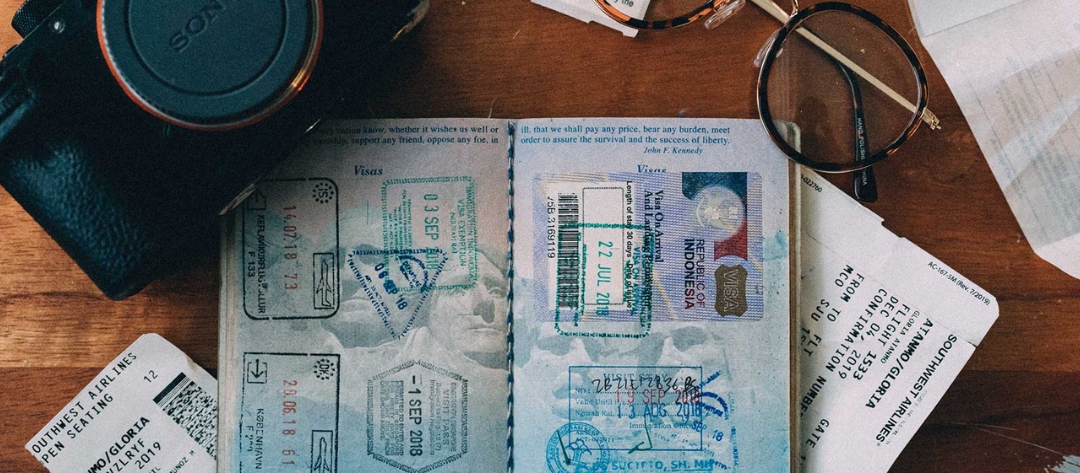
Another vital component of the visa exemption policy is the duration of stay permitted for each nationality. The allowed duration often varies, affecting how long travelers can explore the enchanting landscapes, bustling markets, and historic sites of Vietnam.
Standard Duration of Stay for Visa-Exempt Travelers
Most visa-exempt travelers can stay in Vietnam for a limited period ranging from 15 to 90 days, depending on their nationality.
For example:
- Citizens from ASEAN countries typically enjoy a visa-exempt stay of up to 30 days.
- Nationals from certain European countries can stay for up to 90 days. It is imperative to check the specific guidelines based on your nationality before traveling, as overstaying can lead to penalties.
Extensions and Special Cases
In some cases, travelers may wish to extend their stay beyond the initially permitted duration. Although visa-exempt travelers may face limitations, it is possible to apply for an extension through local immigration offices. However, this process requires prior planning and documentation.
Also, special considerations exist for different visa-exempt categories, such as diplomats or foreign officials, allowing them potentially longer durations of stay.
Importance of Compliance with Immigration Rules
Staying within the permitted duration is crucial, as violating immigration laws can have severe consequences. Fines, deportation, and future entry bans are possible ramifications of overstaying. Thus, being well-informed about the time limits imposed on visa-exempt travelers is essential.
Permitted Entry Purposes: Activities Allowed Under the Visa Exemption Program
The Vietnam visa exemption policy allows for various purposes of entry, facilitating travel for tourism, business, and other legitimate activities. Nonetheless, it is crucial to understand what activities fall under the exemption program and which ones require a visa.
Tourism and Leisure Activities
The primary purpose for many travelers using the visa exemption is tourism. With a plethora of attractions ranging from natural wonders to historical landmarks, tourists can immerse themselves in the charm of Vietnam without the hassle of a visa.
Permissible activities may include:
- Visiting tourist sites
- Participating in cultural events or festivals
- Indulging in culinary experiences
However, engaging in paid work or business ventures may require additional permissions, even if the traveler holds a visa-exempt status.
Business and Professional Visits
Individuals seeking to conduct business in Vietnam must be cautious of the visa exemption boundaries. While attending meetings, conferences, or exhibitions may be permissible under a visa exemption, formal employment or contracts typically necessitates a work visa.
Study and Educational Pursuits
Educational visits, such as attending short courses or seminars, may also fall under the visa exemption guidelines. However, students intending to enroll in full-time programs will likely require a student visa to stay legally in Vietnam.
Required Documentation: Essential Documents for Visa-Exempt Entry
Even though a visa is not needed for qualified travelers, specific documentation is still required upon arrival in Vietnam. Familiarizing yourself with these essential documents will help facilitate a seamless entry process.
Valid Passport
One of the most fundamental requirements for visa-exempt entry is a valid passport. Your passport should meet the following criteria:
- Must be valid for at least six months beyond your intended departure date.
- Should have at least one blank page available for stamping.
Having a valid passport helps to avoid unnecessary delays or complications when passing through immigration checks.
Proof of Intent to Depart
Immigration authorities may request evidence of your intention to leave Vietnam at the end of your permitted duration. This could take the form of a round-trip ticket or proof of onward travel to another destination.
Failing to provide this documentation may raise suspicions and lead to complications during entry.
Financial Means
While not explicitly stated as a requirement, demonstrating adequate financial means to support your stay can expedite the entry process. Carrying sufficient funds or proof of accommodation may facilitate smooth border crossings.
Extending Your Stay: Options and Procedures for Visa Extensions Following Visa-Exempt Entry
Travelers who find themselves enchanted by the beauty of Vietnam may wish to extend their stay beyond the initial visa-exempt duration. While extensions are possible, there are specific processes and considerations to keep in mind.
Applying for an Extension
Extending your stay after a visa-exempt entry requires submitting an application to the nearest immigration office. The application process typically includes filling out forms, providing necessary documentation, and paying applicable fees.
It’s advisable to initiate the extension process well before your current visa-exempt status expires. Last-minute requests may not be accommodated, leading to issues with overstaying.
Types of Extensions Available
There are generally two types of extensions offered to visa-exempt travelers:
- Short-term Extensions: These extensions typically grant an additional 30 days, allowing for a brief stay beyond the original timeframe.
- Long-term Extensions: Depending on your situation, you may be eligible for a longer visa extension, usually requiring more documentation and clear justification for your extended stay.
Considerations for Extension Applications
When applying for an extension, consider the following:
- Make sure all documentation is accurate and complete to avoid delays.
- Understand the fees associated with the extension application, as costs can vary.
- Keep track of processing times, which can fluctuate based on demand and location.
Potential Pitfalls: Common Mistakes to Avoid and Considerations for Border Crossing
Navigating the visa exemption policy can come with its share of challenges. Being aware of common pitfalls and mistakes can help travelers avoid unnecessary complications, ensuring a smooth entry into Vietnam.
Overstaying Your Visa-Free Period
One of the most common errors among travelers is overstaying the permitted duration of stay. Such oversights can lead to serious consequences, including fines, detention, and a ban on future entries. It’s essential to monitor your length of stay and plan accordingly.
Incorrect or Missing Documentation
Arriving at immigration without the required documentation can create significant barriers to entry. Always double-check that your passport is valid, and ensure you have any proof of onward travel readily accessible.
Not Researching Entry Requirements
Every country possesses unique entry requirements; thus, doing thorough research prior to your trip is key. Failure to familiarize yourself with Vietnam’s regulations could lead to misunderstandings and delays when crossing the border.
Latest Updates and Changes: Keeping Abreast of Vietnam’s Visa Exemption Policy
Staying updated on the latest changes in the visa exemption policy is vital for potential travelers, ensuring compliance with the most recent regulations and avoiding unwarranted complications during travel.
Official Sources for Updates
To remain informed about any changes to the visa exemption list, travelers should utilize official sources such as:
- The website of the Vietnamese government
- Embassies and consulates of Vietnam in your home country
- Trusted travel advisory websites
Recent Changes to Watch For
Visa policies can change based on diplomatic negotiations, public health concerns, or geopolitical dynamics. For example, during the COVID-19 pandemic, many countries worldwide modified their visa policies temporarily. It’s wise to check for any recent updates before planning your trip.
Preparing for Future Changes
Staying ahead of potential changes in visa regulations can save travelers time and stress. By subscribing to newsletters related to travel advisories or following relevant social media pages, travelers can receive timely updates on Vietnam’s visa policies.
Conclusion
The Vietnam Visa Exemption list that foreigners should know plays an integral role in facilitating travel to one of the most captivating destinations in Southeast Asia. Whether you’re visiting for leisure or business, understanding the exemption policy—who qualifies, how long you can stay, and what documentation is necessary—will enhance your travel experience. Additionally, being aware of common pitfalls and staying updated on the latest changes will prepare you for a seamless journey into Vietnam. Embrace the adventure, and let the magic of Vietnam beckon you!
VISAONLINEVIETNAM – Vietnam’s Trusted Visa Service Provider
VISAONLINEVIETNAM is a leading visa service brand specializing in facilitating Vietnam visa applications for foreign travelers. Operated under VIETNAM VISA SERVICE., Co. LTD VIETNAM (License No. GP79-031/2009/TCDL), we proudly serve as the bridge between Vietnam and the world. With over 20 years of experience and more than 5 million satisfied clients worldwide, we are known for speed, transparency, and guaranteed support.
✅ Why Choose VISAONLINEVIETNAM?
- 🔒 Trusted and Transparent: Clear pricing, accurate information, and honest advice.
- 🚀 Fast Processing: Urgent visa service within 1–4 hours, even on weekends or holidays.
- 🌐 Online Application: Apply easily at VisaOnlineVietnam.com, support available 24/7.
- 📩 Visa Sent via Email: No need to visit the embassy, just print your visa and travel.
- 💼 Support for 200+ Nationalities: From tourist to business, student, or work visas.
🌍 Our Key Services
- Vietnam E-Visa (Electronic Visa)
- Processing time: 3–5 business days
- Suitable for tourist and short-term business travel
- Available to citizens of 80+ countries
- Visa on Arrival (VOA)
- Receive a pre-approval letter by email
- Collect your visa upon landing at Vietnamese airports
- Options: 1-month to 3-month validity, single or multiple entries
- Urgent Visa Services
- Processed within 1–4 hours
- Ideal for missed flights, last-minute business trips, or personal emergencies
- Available during weekends and public holidays
- Additional Travel Services:
- VIP Fast Track at Airport: Skip the immigration lines
- Airport Pickup Private Transfer
- Translation Legalization Services
- Visa Extension Support inside Vietnam
📌 Contact Information
- 🌐 Website: https://visaonlinevietnam.com
- 📧 Email: [email protected]
- ☎️ USA Hotline: +1 (972) 666-0676
- 📱 WhatsApp: (+84) 968 18 77 18
- 🏢 US Office: 1728 Big Canyon Trail, Carrollton, TX 75007, US
💬 What Clients Say About Us
“I needed an urgent visa within 2 hours. VISAONLINEVIETNAM handled it fast and professionally. Highly trustworthy!”
— James Nguyen, USA
“Great service! I’ve already recommended them to friends traveling to Vietnam. Super easy process.”
— Maria Lopez, Spain.